
 MENU
MENUVW Audi Group 1.8T Engine Tuning.
"The 1.8T was my first turbo engine, and one of the best."
VAG 1.8T 20v Petrol engine as fitted to Volkswagen/SEAT/Audi and Skoda cars: 150-240 bhp from the factory.
It has a great fan base, and offers phenomenal returns when tuned, but it helps to understand the differences between the 1.8T engine codes.
Let's see what can be done to tune the 1.8T engine, how much potential power you can extract, and which are the best mods for your tuning project.
I must confess I have a bias here, the 1.8T is one of my favorite engines and offers much tuning potential, and is well supported when it comes to upgrade parts.
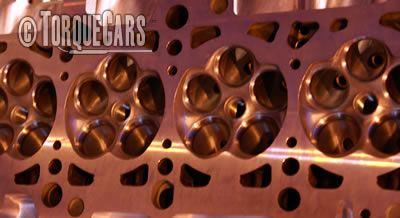
The 1781 cubic centimeters in this 20 Valve turbocharged engine represents what must still be one of the most tuneable engines around today and is found in family cars like the A3 and A4 and on sports oriented models like the TT, and the S3. 350hp on the standard block is typically the response you'll get when you ask about safe power limits when tuned.
We have seen projects taking power on stock internals to the 500-700hp region which shows how impressive this block is.
Be careful as the parts fitted to these engines did vary considerably, some buy blocks assuming forged components only to find cast parts were used. Thankfully this is relatively rare but it does pay to know what you have before you start working on it.
It often features in engine swap projects such is the versatility of this great engine block. The 1.8T also featured in Wards 10 best engines in 97 98 01 02 and 03.
The fact these engines can be tuned to such extremes indicates their versatility.
See our video which covers all the principles of tuning the 1.8T engine.
The 1.8T was replaced with a 1.8/2.0 TFSi version and we have a guide that covers these and the more recent EA888 version is covered here.
The 20 valves are arranged with 3 intake valves and 2 exhaust valves per cylinder. The exhaust valves are larger than the intake, and having the extra intakes allow better fuel atomization and intake control depending on the throttle and load.
1.8T Tech guide
(The exhaust valves are somewhat larger than the intake and this intake configuration makes the engine an efficient one).
The compression ratio is set to 9.5:1, but, a slightly lower 9:1:1 in the 240 bhp versions (and those with the K04 turbo), which although high for a turbo gives plenty of low down torque. (Obviously with direct injection you can run much higher compression ratios, but this didn't come in until the later revisions to the more recent engines.)
Technical information of this engine:
Bore size of 81mm (3.19in) a Stroke of 86.4mm (3.40in) and a Rod Length of 144mm
The peak power band is between 2000 and 5000 rpm, and delivers good fuel economy as well around 34-38mpg.
The turbo delivers a boost pressure of 8.7 psi or .6 bar on most variants of this engine although the 180bhp engines run 11.6 psi from 2002.
The standard cast iron engine block is solidly constructed and can handle power levels up to 240bhp in factory tune and many owners have reported much higher power gains than that.
The most common turbos fitted are the KO3 & KO3s (150-180 bhp) and KO4 (210-240).
1.8T engine codes and differences
When planning upgrades it is worth finding out if your engine has the forged components already.
(Generally speaking the AGU APH ARX AUM AVC AVJ AWC AWD AWU AWV AWW BFB AJQ APP ARY AUQ BEX AMK APY APX AJH and BAM came with forged cranks but there are some exceptions to this list.)
The engine code is found at the top part of the engine near the valve cover on the side etched into the head so you might have to clean it off as the stamp often gets covered in grime.
The engine codes are (This list is not exhaustive and covers the most popular engines, some engines were only available in selected markets.) Greece had an AUM block which was mapped to 190hp and badged the GT193.
Small Port size head Engine Codes: ADR, AMB, AMU, APT, APU, ARG, ATC, ATW, AWM, AWP, BEA, AWT, ARX, ARZ, AWC, BJX ,BAM, APX, AMK, BVR, AJQ, AJL, APP, BBU, APY, AUQ, BEX, AYP, AVJ
Large Port size Head Engine Codes: Typically 97-99: AEB, AGU, AFY, AJH, AJL
VVT was included on AUQ, AWU, AWV, AWW, ARX, AUM, AWP, AMK, BAM
Popular cars which used the 1.8T engine
- VW Golf Jetta Bora Polo Beetle Passat
- Audi A3 A4 A6 TT
- Skoda Octavia Superb
- Seat Leon Toledo Exeo Cupra R Ibiza
We have also seen some swaps on older models, where for example VW Polos and Golfs had a 1.8T engine swap.
Camshafts
Fast road camshafts usually bump the performance across the rpm range, you could drop a little bottom end bhp but the high end rpm power will be better.
Motorsport and race camshafts, bump the high end rpm power band but as a result the car will not idle smoothly and low end power nearly always suffers.
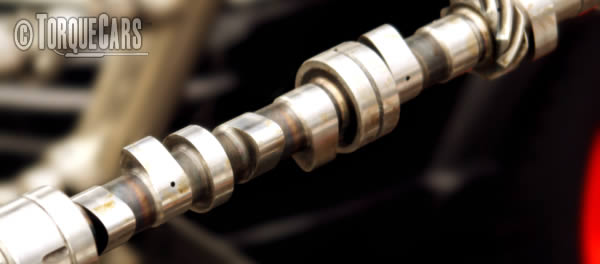
I'd never have found a Motorsport camshaft to be a pleasure to live with when on the daily commute because the lumpy idle will make the car prone to stall and smooth driving at low rpm becomes impossible. If you are developing a track car this doesn't matter as you are in the high end of your RPM range anyway and that is where you want the power to be.
Some 1.8T engines respond better to mild camshaft durations so set your engine up on a rolling road.
The map and fuel pump and injectors also will say much on the power gains you'll hit.
A fast road camshaft is one of the most effective mods you can do on the 1.8T engine, apart from a remap, or turbo upgrade. Competition cams are not great at low RPM and can be quite lump, which makes driving in traffic quite tricky and you'll need a higher tick over to avoid stalling.
A fast road cam works really well though, as it's optimized for road use, it's all about the profile you choose really.
1.8T Tuning Tips
There are some good hybrid turbo options out there and the newer twin scroll turbos are worth investigating, much depends on where in the rev range you want the power and other mods you've done.
So let's see what 1.8T tuning mods work best on this gem of an engine.
Please watch our video which covers the 5 principles of tuning your car. Be sure to keep up with our latest YouTube content and subscribe.
Best 1.8T Engine Mods
- Engine Tunes - engine tuning/remapping provides the most advantage in terms of cost savings, aftermarket ECUs, and piggyback ECUs are all alternatives.
- Fast road cams are one of the most significant mechanical changes, but they must be installed by someone who knows what they're doing and they are not always easy to source but you might find a local firm to regrind a stock camshaft.
- Intake and Exhaust - Note that on their own these mods will NOT ADD POWER in most cases, but they can help enhance power after other mods by removing the restriction.
- Upgrades to turbochargers and superchargers - forced induction is the most efficient approach to increase your 1.8T power. It is one of the most costly upgrades but provides the best gains. Swapping a K04 for a K03 or a hybrid will offer decent power gains.
- Head work - The goals of porting and flowing the head are to get air flowing into the engine while removing flow restrictions and turbulence.
Tuning stages for the 1.8T
- Typical stage 1 mods often include: Sports exhaust header/manifold, Panel air filters, drilled & smoothed airbox, Remaps/piggy back ECU, Intake manifolds, Fast road camshaft.
- Typical stage 2 mods often include: fuel pump upgrades, induction kit, Sports catalyst & performance exhaust, high flow fuel injectors, Fast road cam, Ported and polished head KO4 turbo upgrade.
- Typical stage 3 mods often include: Engine balancing & blueprinting, Twin charging conversions, Crank and Piston upgrades to alter compression, Adding or Upgrading forced induction (turbo/supercharger) with hybrid or twinscroll, Internal engine upgrades (head flowing porting/bigger valves), Competition cam.
Head Porting
Porting and flowing the head is really effective, and TorqueCars recommend a 3 or 5 angle valve job to maximize airflow into the engine. This will ensure the engine gives better low end torque and greatly increases its efficiency.
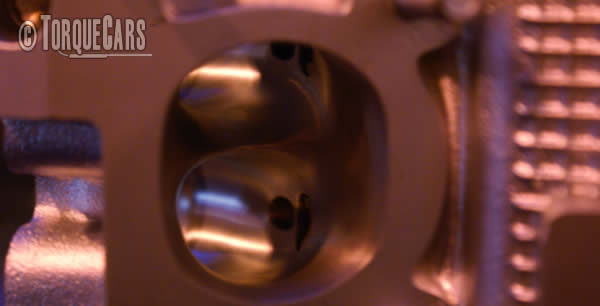
Enlarging the ports and ensuring a decent flow through the head really helps the engine breathe, and the 1.8T can handle around 300hp on the stock internals (depending on your engine code) but the head was not designed to cope with these power levels.
The image above shows the ports have become a fairly sharp V shape instead of the more squared off corners on a stock head.
5 valves per cylinder make valve jobs fairly specialized, but thankfully here in the Uk and other major regions there are specialists around with the tools required to extract the max from these heads. Ask our forum members for some pointers in your area and please don't attempt head work on a DIY basis.
1.8T remapping
A tune/remap on a standard engine will typically yield around 40-50bhp increase, and, with the addition of a higher capacity turbo, a freer flowing intercooler, and efficient induction and exhaust design, power gains to around 300-350bhp are possible.
If you have a turbocharged 1.8T, your first and most beneficial mod is a remap. The appropriate map may make a significant impact in the vehicle's performance and handling.
Why 1.8T engine tuning/remapping works.
What is it about OEM maps that makes them so frustratingly boring? Most of the time, a single configuration for everyone entails some parameter tweaking with local fuel emission requirements and temperatures in mind when the ECU map is set up.
Temperature changes, small flaws, and adverse weather are all taken into consideration while creating timing maps. It is fairly uncommon for CO2, HC, and NOx emission targets to match across areas so VAG like most car makers adopt a one setup for all regions approach.
Manufacturers do not want consumers to be inconvenienced by mechanical or fuel efficiency issues, and since different countries use different gasoline grades and experience differing degrees of bad weather, a fudged ECU setup is required to keep things functioning well.
Depending on component quality and the quality of the parts fitted, the power of each 1.8T may vary by up to 20bhp. Instead of creating timing maps for each vehicle, they utilize a one-size-fits-all approach and some blocks have more tuning potential than others.
Which 1.8T engine codes are the best for remapping?
Remaps are available for all 1.8T engines, which enhance power by 20-30%. To fully use the horsepower from your changes, TorqueCars suggests engine tuning/remapping on a rolling road Dyno.
Engines with forged internals, large port heads, and K04 Turbos provide more power than other models, although all react well to remaps.
Be wary of power claims by remappers, they could just be selling you a spike and potentially bad power profile. For example if the power comes on too soon you'll be damaging your turbo as it will never properly spool down and cool off.
Large blips also stress engine components and can exacerbate wear or at the very least cause wheelspin.
On the plot below note the differences between the red and green tune/remap profiles, and work out which one you would prefer.
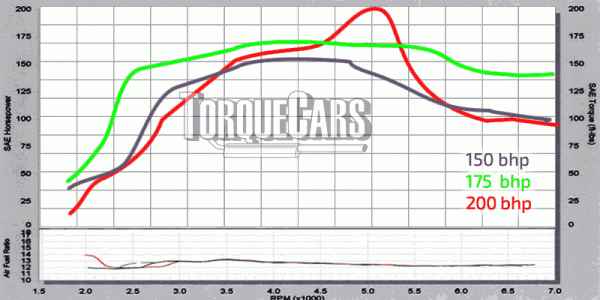
We would be much happier with the green map even though it only boasts 175hp, the 200hp map is all over the place and only has a small area reaching the headline 200hp.
Always ask to see a dyno printout from the mapping company you use and make sure the power is where you want it to be.
Expect to have to upgrade the clutch when increasing the power of the engine or the clutch life will be dramatically reduced the TT aftermarket clutches are likely to be the best option.
The stronger engines had pistons from forged Aluminum Mahle, with fracture split forged steel connecting rods mated to a forged crankshaft which is capable of handling far more than the mild 150bhp tune and retaining reliability.
K03 K03S & K04 Turbocharger guide
The K03 turbo was available from 1996 until 2000, when the K03s with more power took over.
The K03 turbos are utilized on the simpler and lower powered 1.8T engine - ie: AGU. These engines use a MAF sensor and a cable-operated throttle with smaller injectors.
The K03s turbos are utilized in AUM engines with MAF and MAP sensors. These engines employ better drive-by-wire throttle that increases reaction time, fuel efficiency, and performance.
The KO3 turbo has 12 blades, and with the right supporting mods can release power around 200bhp, the K03s has 8 blades, although lower than the KO3 the K03s will support around 220 to 250bhp.
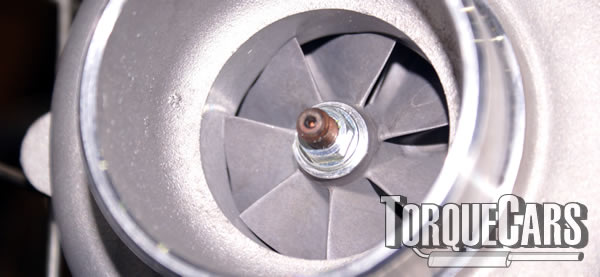
The K04 is a larger turbo and came in three versions (some suited to the transverse engine layout in the A4)
- K04-020 no temp gauge aperture in the housing
- K04-022 no temp gauge aperture in the housing
- K04-023 with the temperature gauge aperture
When tuned/remapped you should see an easy 250bhp on the stock 1.8T and with other mods the K04 can flow to provide around 300bhp.
When pushing these turbos hard you really should look to upgrade the air intake and intercooler.
Turbos fitted to the 1.8T engine - assume K03 unless listed below but there are some regional exceptions.
- K03S
BBU, BE, BJX, BVP, ARY, AUQ, AWV, ARX, AUM, AWP, BEX - K04
BFV, APY, APX, AMK, BAM
An obvious upgrade path for KO3 turbo owners is to swap in a KO4 turbo. The software takes a lot of getting right for the maximum power gains but interestingly most people report that the KO4 turbo runs fine on the standard manufacturer's ECU Map.
It is usually easier to tune/remap the standard KO3 engine and set the boost to 1 bar as per a number of aftermarket Audi tuners standard remaps, then when the K03 gives up on you look to replace it with a better flowing unit like the K04 or a decent hybrid.
The KO4 changes the characteristics of the engine and gives a more rewarding drive pulling hard and when the KO3 starts to run out of steam around 5000 rpm the KO4 still delivers good power so is the logical track day or drag strip turbo.
You may think the KO4 is more prone to lag but this is not the case and both are very similar as far as low down low boost power goes.
A number of aftermarket turbos are available which fit the standard down pipe and they can be tailor made to suit your requirements with many drivers looking for a mix of economy below 2500 rpm and massive power gains from 3000 to 5500rpm.
Differences in KO3/KO3s turbos
The number of blades is the most significant variation between turbos. The K03 has 11 and the K03s has 8.
The actuator that opens the turbine bypass valve is normally a 65N or 85N, however certain versions featured a 2 port actuator. Because 180hp engines run higher boost, they need better quality actuators with larger opening force.
The K03 has the least juice, so with correct add-ons, it can reach 190 horsepower. You may receive more, but the turbo will last less.
The K03s have more power. Most people get 215 horsepower with K03s, which is the safe limit. Exceptionally, and we don't have first hand evidence to back these claims, this turbo has been touted to produce above 250 horsepower, so there is considerable leeway.
This suggests that a K03s gains at least 25 horsepower over a K03 even when run at the accepted safe limits.
K04 Has Superior Performance
Unlike the K03 and K03s, the K04 is bigger and produces much more power especially at the top end of the RPM range.
With suitable upgrades and hardware, the K04's performance can reach 350 horsepower, although the KO4's safe limitations are about 220hp.
Size wise The K03 and K03s turbos were smaller. Despite having less power, they took up less room than the K04 when installed, which is why there were installed in so many models across the VAG group range.
Hybrid 1.8 Turbos
Many hybrid turbo manufacturers use a bigger compressor on the intake side to boost power.
Hybrid turbos work really well on the 1.8T, this is where the internals are swapped out to give different blades and blade profiles, and dramatically alters the power delivery and characteristics of the turbo.
We've seen mechanics spending a loads on turbocharger upgrades on the 1.8T only to suffer the indignity of watching the 1.8T literally blow up soon after it's been enthusiastically driven.
Pay attention to the mapping and fuelling and you should be fine. We recommend a rolling road tune/remap is carried out for best results, the off the shelf maps are quite generic and may not fully release your potential power.
A note when choosing turbochargers for your 1.8T Tuning project
Large upgraded turbo units often experience no power at low rpm, and low capacity turbo units spool up much more quickly but don't have the top end power band gains.
the market of turbos is always increasing and we now see variable vane turbos, where the vane profile is altered according to speed to lower lag and increase top end bhp.
Twin scroll turbos divert the exhaust flow into 2 channels and feed these at differently angled vanes in the turbo charger. They also boost the scavenging effect of the engine.
It is common that there's a limit in the air flow sensor AFM/MAF on the 1.8T when loads more air is being drawn into the engine.
We note 4 bar air sensors coping with quite large power gains, whereas the OEM air sensor was restricting power at a much lower level.
The 1.8T N75 valve
The N75 is controlled by the ECU and acts as a bleed valve, it regulated the spool up and boost duration of the turbo.
If your N75 is faulty you'll generally experience lower boost, and or power surging or lumpy power delivery. It may even drop into limp home mode.
Check the N75 valve itself, some faults are actually down to a leak in the vacuum lines.
So what does the N75 do?
You want the turbo to keep spinning but if you lift off the boost produced will just build up, if the turbo shuts down, you'll have to wait for it to spool up. Generally in most cars the wastegate assists the turbo to keep spinning and producing power. The N75 uses the wasted boost to keep the turbo spinning at light load conditions, clever eh? This is why you don't want to fit an atmospheric dump valve, as all that lovely pressurised fast moving air is lost (plus it upsets the ECU and you don't want an upset ECU do you?)
It sits between the wastegate and turbos high pressure outlet, it has 2 outputs and just 1 boost input. The output goes to either the wastegate and the intake (fully diverting boost to the wastegate when it's closed or leaking some boost to the intake allowing for a faster spool up).
The top of the N75 is a small screw, in some cars this has a locked thread to prevent tampering. But if you're lucky you won't be thread locked and can make adjustments to it.
You only need to make very small adjustments to make a difference, and you need to bear in mind the ECU is expecting a certain range of performance from it and will go all LIMP on you if you get it wrong.
Setting the N75 valve right is a bit of an art but adjust it to the right and very little air will be vented from the wastegate giving a smoother power delivery but less overall boost.
Turn it to the left you'll get more boost going to the wastegate but you'll notice the power spiking as the N75 closes and opens.
Essentially a performance version allows greater range of control, a faster response and will be less prone to sticking or leaking, all of which can cause problems in your power delivery.
We have heard of people swapping the N75 for an N18 successfully but you'd be better of sourcing a performance version.
Fuelling upgrades on the 1.8T
When you raise the bhp you will need to uprate to the fuel system.
The air intake may need upgrading, typically the sensor housing is enlarged and used with the OEM MAF sensor, but it makes sense to upgrade the MAF sensor if you want to hit higher power levels.
More bhp needs more air and fuel - it's as simple as that.
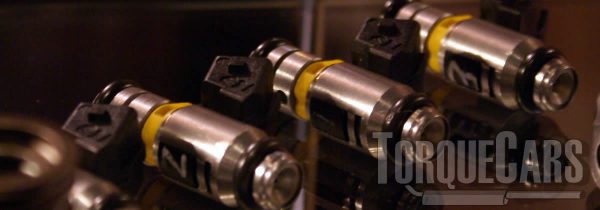 Most tuners we speak with say to over specify your injectors flow rate.
You won't get more power just adding bigger injectors, but you will hit power limits with other mods fitted if you don't supply enough fuel.
If you have a throttle cable you are usually running the Motronic M3.8 ECU.
Others use a drive by wire system and use the ME7.x version of the ECU note the extra E which means electronic throttle.
- M3.8 AEB, AJL, AGU, AJH... Pre 98 cars typically had stock injectors that are rated at 205cc and will top out at 220bhp.
- ME7.1/7.5 ARZ, AUM, AUQ, APP, APX ...usually have Bosch 315cc injectors and flow well to 235bhp. To ugprade injectors on these the easy option is to get the 386cc injectors from the ME7.9 engines.
- ME 7.9 BAM, BVF, BBU, BEK, BJX, APY, AMK, APY... and those with the K04 turbos typically had 386cc injectors that top out around 275bhp.
We've seen 1.8T tuners using Calibra yellows, Saab Reds, and others from the Bosch range all of whom provide upgraded injectors, so it's worth asking around.
You need to bear in mind the 3 intake valves is an unusual setup and the spray pattern from most injectors is optimized for a 2 valve setup. The Yellows for example do not appear to be optimal when fitted on the 1.8T engine.
Your map needs to take the injector profile into account, so fitting a well known unit can save a lot of time and headaches later.
- Fitting a 315cc injector will take you to around 245bhp
- Bosch 550cc injectors allow power approaching 350bhp
- Bosch 630cc injectors will see you hit around 400bhp.
As a rule of thumb add 20% to the flow rate when buying an injector, this takes into account injector deterioration and affords a bit of spare capacity should the engine need more fuel.
1.8T weak spots and problem areas.
Weak spots - the engine oil used in your Audi must be fully synthetic and changed at the correct service intervals (check your owners manual for details but it is typically a long life Audi service of around 24,000* miles or standard service around 9000 miles.
This depends on how the car is driven so if you are are a heavy footed driver or make lots of short journeys on a cold engine the service interval is reduced from these figures).
Use of the wrong type of oil will cause the oil pump to seize due to sludge created in the turbo housing. This causes a catastrophic loss of oil pressure and engine failure and unless you can prove that the correct oil grade was used the warranty is invalidated.
*Audi long life oil is claimed to last for up to 24,000 miles but all other synthetics are only recommended for 9000 miles!
It seems more sensible to change the oil & filter frequently as metal particles can cause damage to the engine as they become suspended in the oil.
We would change the oil annually or at 12,000 miles using Audi long life oil, it will prolong the life of your engine.
The engine takes 3.7 to 4.35 litres (depending on the oil filter and sump used, transverse engines differ to longitudinally mounted ones) of fully synthetic 5w-30 oil (Audi long life oil must conform to VW 504 00 or 507 00 (Castrol SLX long life III is the special Audi approved oil).
Using the wrong oil will almost guarantee you get dangerous sludge build up which will eventually wreck the turbo. NB: Not all oils marked synthetic are true synthetics.
Some users have reported problems with early coil packs but most of these will have been replaced now and newer coil packs do not seem to have any problems.
Fitting a blow off valve or dump valve can cause problems with the engine management as there is a loss of system pressure. There are now VAG friendly partially recirculating dump valves that also recirculate the lost pressure keeping the ECU happy.
The air flow sensor can become soiled particularly if you use a filter that is impregnated with oil. Take off the air flow sensor and clean with a IPA based solvent if you notice any hesitation or problems that can be assigned to a faulty MAF.
Please check out our guide to VAG group turbochargers, and our tuning articles which will help you get the best out of your car projects. Our forums are a great place to go to chat with our members about your projects and swap tips and ideas. Please also check out my new TorqueCars YouTube channel and be sure to subscribe.
Please Check out my YouTube channel, we're regularly adding new content...
 Click to accept YouTube Cookies & Play.
Please share this page with your friends on :


PLEASE HELP: I NEED YOUR DONATIONS TO COVER THE COSTS OF RUNNING THIS SITE AND KEEP IT RUNNING. I do not charge you to access this website and it saves most TorqueCars readers $100's each year - but we are NON PROFIT and not even covering our costs. To keep us running PLEASE Donate here
If you liked this page please share it with your friends, drop a link to it in your favourite forum or use the bookmarking options to save it to your social media profile.
Feedback - What do You Think?
Please use our forums if you wish to ask a tuning question, and please note we do not sell parts or services, we are just an online magazine.
Help us improve, leave a suggestion or tip
Please watch this video and subscribe to my YouTube channel.
49 Responses to “1.8T Tuning”
I build a auditt which we stroked to a 2.1L and fitted a t3 t4 hybrid turbo. I am sitting with a huge problem in that the throttle closes itself under hard boost. Is there any way of solving this problem. On the dyno the car acts normal but on the road it starts having a mind of its own.
It’s hard to tell without running a full diagnostic but here are some things to bear in mind. It sounds like the car is going into limp home mode or the anti knock protection is kicking in. I suspect you need better fuelling. Did you uprate the fuel pump and injectors? On the dyno the air intake is usually warmer therefore less oxygen is available on the open road the air intake is much cooler and it could just be the difference between the car running lean or not. Check the boost levels when this happens and see what happens to the fuelling.
This topic is better discussed in our forum where you’ll get the benefit of all our Audi tuners opinions and advice.
I used Red Line Synthetic oil in my 2000 Audi TT (1.8 turbo). I run my car hard often and have had not problems with its performance. And as soon as I get a second car to become my daily driver I will strip the TT down and build it up for time attacks while staying with the 1.8 turbo engine. A friend once told me that Audi’s will surprise you. He was right about that. Life fast and live free.
hi there i have an 1.8t agu its been remapped boosting 1.3 bar and exhaust system of 63mm from turbo , now my problem its got a big flat sport and jerks on low rev all my turbo hoses are ok what can be the problem its
Have ’98 A4 with 1.8 liter engine. Almost destroyed engine. O-ring between oil filter flange and turbo oil cooler assembly dried out and leaked badly. Easy fix, and nothing but a cheap o-ring.
Owners of older models Audis should replace this o-ring.
Unit located where oil filter screws on, between the filter and the engine oil flange.
can i fit the audi S3 engine in to my audi A.3 1.8L
The jerk is from too much boost at low RPMs. I had the same problem with a stock 1.8t Passat. I had it worked on and they pinched the line to the waste gate and it was running full boost all the time. It was like some was on and off the gas pedal until about 3000 rpm then it would take of and I mean nearly twice as fast as when the hose wasn’t pinched. Hopes this helps.
4.35 liters would blow the deals on your engine. My car takes 3 3/4 quarts at the most. Thats right to the top line on the dipstick. It’s a 2003 1.8 turbo a4. If I put 4.35 liters oil in it would be over flowing out of it! U guys should check that!
There would appear to be some differences between these engines across the range. Perhaps the Transverse A4 1.8’s have a slightly different sump capacity, we will reflect this point in the article. A larger capacity oil filter was recommended in 2001 on the A4’s dated 96-06 see the Audi Technical service bulletin for details of this 17/04/01.
where is the boost valve locate on the APU engine
hi great forum was just wondering if i would gain even more power from putting tt injectors along with the ko4 t into my passat b5 1.8 t thanks for the info supperb
I am building a 1.8t endurance roadracer for the Chump series. It’s in a 2000 a4 and have the following questions:
1. I’m not certain that the motor in the car is the original. It’s an ATW. Question I have is “did the ATW come in the 2000 a4”?
2. Next, I’m looking for a spare motor. What codes are compatible with ATW?
Can i use any engine code just as long as I get the ECU that comes with it?
Thanks.
I noticed that your list does not include the “BFB” head engine code. Is there a reason for this? Also, are you certain that the connecting rods are forged? I’ve read articles stating the opposite.
We couldn’t cover every engine code, but we’ve tried to cover the most popular blocks where reliable data could be sourced. NB: Not all engines had forged components which explains the discrepancies you’ve pointed out. Forged components cannot be identified on the engine code alone, the year of manufacture also comes into play.
Hi, I have a NB 150bhp it’s been remapped, I’m fitting a K04 turbo & FMIC I was just wondering if fitting the 225bhp injectors & the 4 bar fuel req it wound make a difference or just over fuel it’s self ?
Cheers phill
Fantastic article in plain english:)
I have a 1.8t with a k03, id like to changed to a k04 but haven’t got lots of money, there are cheap (200ish) k04 turbos on ebay etc… are these cheap for a reason? ie build quality or to VAG just want to much for OEM?
many thanks
We have heard of cheap import turbos suffering from premature failure, sadly the quality control and casting of these cheap imported turbos can often be far from ideal. Not that all are bad, but we would tend to source a local reconditioned one or used one with some kind of warranty. You do get what you pay for.
Fantastic article, thanks for putting it together. I have a 1.8 tfsi (160 ps) engine and thinking of mapping it to say 210 bhp and 300 NM torque, which is what most tunners offer as stage1. Do you think this would require a turbo and clutch upgrade to retain reliability? The stock turbo is K03 on my unit. Appreciate your input.
I have a 1.8T ’11 A3 and also looked at remaps. The Bluefin looks like a good option but I’m also keen to find out if I’ll be able to maintain reliability. It’s still under manufacturer warranty so wanted to check before doing anything. According to the Superchips website it’ll give a 47 bhp increase which I assume would be within the thresholds of what the engine/clutch could handle without any upgrade. The article says that engine puts out up to 240 so hopefully my assumptions are correct! The only other question is whether, if I buy and install a Bluefin remap, Audi would know that I have done so use it for a bit and return to normal map before putting in for a service?
My Golf 4 1999 GTI
398 horsepowers
One of THE Best setups ive made
Turbo Garret GT-2860RS
Internal wastegate
1.4 Bar boost
Audi s3 engine
Wossner Pistons
Audi S3 injectors
Upgrade fuel pump
AGU cylinder head
ITG Maxogen cylinder filter
3″ Down pipe
3″ home made Race Exhaust system
HKS SSQV Bov 12-14psi
Eagle Rods
Garret Intercooler 2.5″
APR ECU
With Launch Control and semi slicks tires.
from Denmark
Have you remapped using bluefin? I’m thinking of this for my audi
hi could you tell me if the 1.8t sport 2001 avj engine has these forged rods please
Yes the AVJ as fitted to the A4 does with 19mm piston pin and Small head port
Hi
Just had my A4 1.8T remapped, stage1, it wasn’t dyno’d but the nice chap at the tuning centre said its up to about 195ish from 150 bhp. So I’ve been driving around a couple of days now and the car has just been transformed into a bullet on wheels, it was nippy in the first place but like the nice chap at the tuning centre says the stage one is the best map to do for the money and the gains you achieve are excellent!! Stage2 & 3 require some hardware.
Now I’ve got no complaints but just a couple of questions.
What boost psi would it be running on this stage1
And should I preorder a clutch and if so would the TT 225 clutch fit?
It has the AVJ lump in it with a aluminium forge type DV which I can change the spring, hence the question about boost pressure.
And I can tell you this car is fast I’m just so shocked at that a bit of computer wizardry can turn it into a beast!! I love it, power band from 2500 up and just keeps pulling!!
Great info by the way and glad to know that my AVJ engine is a strong one.
Cheers.
Matt.
Howdy,
Just purchased a Leon mk1 AUQ and I love it, but I want a remap, should I also change the exhaust + intake, or the stage 1 works fine with the stock parts?
Also thanks for the post, very helpful.
Cheers,
Dante
Hi guys…
I would like to know if and Audi ADR cylinder head will fit on an APT bottom end.
I have a 1999 A4 Quattro 1.8L turbo. Can anyone help me with how to set the timing on both crankshaft and camshaft pulleys. Setting timing from scratch as if the belt broke. Where are the marks? thanks \!!!
I’ll be surprised if the valves are not damaged, have you done a compression test? I wouldn’t try this at home, take it to an experienced mechanic, you can’t play around with timing belts and pulleys without causing a lot of damage if you get it wrong. The main timing mark is on the crank, then you need to find TDC and set the cams accordingly.
Interested to know how the front control arm bushings held up to Champcar in your B5 Audi. I’m building one with rear mid-engine design. I’m using a 1.8L eng with cvt transaxle in 97 A4 Quattro
I have a 2001 1.8t gasoline jetta, it’s an aromatic but it sometimes stalls while driving or at rest it’s pretty random but you can feel it giving out most of the time. Any thoughts
Have you checked the coilpacks? It could also be a fuelling issue, or exhaust valve/sensor, or air flow sensor playing up.
Hey there, I have a 1.8T AUQ (180hp) and I’ve heard some people are upgrading the stock K03s for a 2.0TFSI turbo (k04-64) is this even safe? Dont want to blow up my beloved 1.8T. What components should I upgrade to stay safe? Fuel pump? Injectors?
What can cause your 1.8 turbo to overheat?
Typically a broken thermostat, a faulty water pump, or blockage in the coolant. There are other more exotic reasons.
Thank you for this article. I have a bjx 1.8 20v. I have read so many forums but not many talking about this engine code. May I ask if you would know if the Pistons are mahle. I know the weakest point of this engine is the rids. I have recently purchased a Garrett Gt2860r turbo from the nisaan s14 s15. Would you recommend I change the Rods for this application and would a tuning company remap my ecu to run such a turbo. Would it not be easier just to put an aftermarket ecu for better tuning.
The BJX does not appear to have forged pistons but my data on that is not conclusive as the part is not listed! If you are pushing power to the 250-280bhp mark then I would recommend forged pistons.
An aftermarket ECU would give better control but costs more and is more complex to setup and the cars immobiliser runs through the ECU. The BOSCH ecu’s are really good and there are many mappers out there with experience on these so I would stick with the OEM ECU on this engine block.
Hey, I have a fully forged engine stroked to ~2l using a 2.0tfsi crank, big valve head, fast road cams, big Inlet/Throttle body and a Garret GTX rated to 660hp. We managed to make 400hp on the dyno but then when adding more boost the mixture started to run richer which we couldnt understand. We were hoping to make closer to 500 and so we’re unsure what’s stopping it. Any thoughts?
Are you running an uprated air sensor? You’ll probably need up to 4 bars. Is the turbo topping out before you get the potential boost? Is the wastegate leaking or an air intake pipe somewhere. If you remove the air filter housing does it still run rich? – This sort of thing is best discussed in our forum, so please drop in and start a thread and I’ll follow up with you on this.
What a brilliant read on the 1.8t, I have a 03 Cupra R with the Bam engine and been looking into building the motor but don’t have funds immediately but can spend bits monthly so its got me excited reading that
Out of all the articles I have viewed, yours seem the most reliant, and I was looking for some help. I am looking to buy a MK4 GTI – but seeing as in my country there are mostly only 110kw versions, with the 132kw being either beaters or already “iffy modded” – I was wondering should I wait for the right 132kw engine to pop up, or should I take a good maintained 110kw – since it will most probably get stage 1 or 2 tuning.
TL/DR – Should I go for a 110kw or wait for a 132kw, is the latter that much better in terms of performance?
There were good and not so good 132kw units, some had stronger internals than others. My advise is to plan your mods and find the parts, then get the engine and wait for a good 132 one. A 110 will need more work but if you are replacing pistons, cranks etc the shell is basically the same so engine choice won’t matter too much.
My A4 is 1.8t AEB. The turbine is k24. Currently, I am trying to build a down pipe, but is CATBACK thinner than the down pipe useless? For example, 3 inch down pipe, 2.5 inch CATBACK. Does CATBACK need to be thicker than the downpipe?
As long as you taper into the smaller size you should be fine, sudden steps cause turbulence which needs to be avoided, it depends on the engines power, but for most applications on this block a 2.5 catback size is a good option.
Im getting ready to drop a 1.8t in my mk1 vw. I find this information informative and helpful in choosing parts for my swap as well as possible upgrades for round one. (Have to drive it for a while before upgrading to round two).
I like your article very informative plenty of guide plans on my project
Question on 2003 1.8tAWPcylinder head & intake manifold (smaller port) switching to a bigger port AEB possible ? how hp gain
thank you very much appreciated (Gil)
If the only mod you did was the big port head you probably wouldn’t see a power gain on the Dyno. It will, however, improve low end torque though and in my experience improve fuel economy. However, this will remove a restriciton and you’ll see a bottlneck around 190hp and over, so at these power levels you’ll be able to unlock the full power of your other mods.
how can I improve the power on my golf4gti
wow, lots of info. thanks 👍. very interesting,
Hello, noticed you are still replying after all these years so I decided to give it a shot. I got a few questions
First, I own an Audi TT ’01 1.8vt [180 stock], now 225hp stage1 (AJQ). After a slight research I found out my engine has the ko3s and not the ko3 as mentioned on this article so 1 of the 2 articles I’ve read is bound to be wrong. anyways, my question is this: if I changed to forged (pistons,rods,crankshaft) and replaced to ko3s (or ko3) to a ko4, would I be able to see a safe limit 350hp? if not what should I expect. what mods would I need to have a reliable 300-350hp and retain as much fuel economy as possible. would I need to change anything else? such as valves, lifters or even the entire head? I’m quite happy with the current power and but I’d love a little bit more for the straights, power is great through the turns. any idea on where should I search for 1.8vt forged parts? Cause I’d be happy af if I only had to change pistons,rods and a crankshaft to get a safe 300 as I’ve seen people do 500 on stock internals which surprised the living shit out of me. sure it could’ve been a BAM or a similar code but still, if it can do 500 and run, then it should do 300 safe right..? I mean I’m just using common sense here.. Thanks a lot, I’d love your feedback on this!